Night Vision Goggles – Digital and Infrared Models
Explore night vision goggles at Seward Knives and compare binocular, monocular, head-mounted, digital, photo and video models. Review each product page for its published viewing format, display, controls, dimensions, included pieces and current options.
Night Vision Goggles Formats
Binocular and Monocular Designs
The collection includes binocular and monocular viewing formats with different eyepiece layouts, body shapes, screens, controls and mounting arrangements.
Head-Mounted and Handheld Models
Compare head-mounted, helmet-style and handheld product formats. Images and product details show the current body design, straps or mounting elements and included pieces.
Digital Night Vision Features to Compare
Displays, Recording and Controls
Some listings describe built-in displays, photo or video recording and adjustable controls. Check each product page for the exact functions and selectable options.
Viewing Modes and Published Specifications
Review the listed day or night modes, infrared details, magnification, viewing distance, screen information, power source and storage support where provided.
Choose the Right Night Vision Format
Compare Size and Mounting Style
Compare overall size, weight where listed, handheld or head-mounted format, control placement, eyepiece arrangement and the product images.
Check Included Accessories
Open the product listing to confirm included cables, straps, mounts, cases, cards or other accessories because packages vary by model and option.
Night Vision Goggles FAQs
What formats are available?
The current collection includes digital binocular, monocular, handheld and head-mounted night vision products with different displays and controls.
How do I compare the models?
Compare viewing format, listed modes, display, recording functions, controls, dimensions, power details, included pieces, images and current price.
Where can I see every current model?
Use the product grid above or return to this night vision goggles collection to review all current listings.
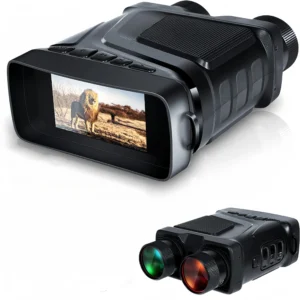

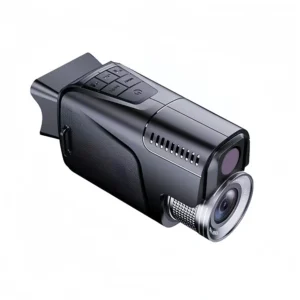
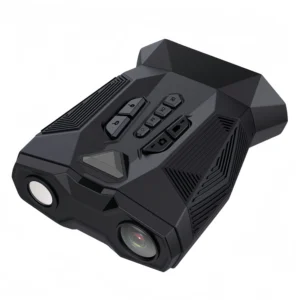
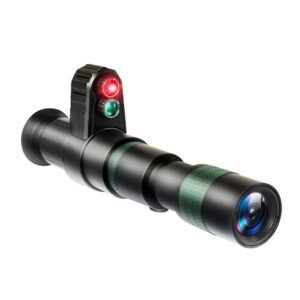
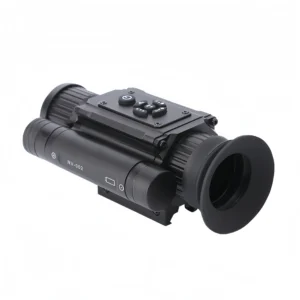
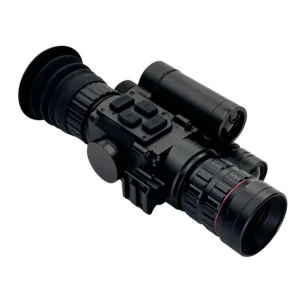
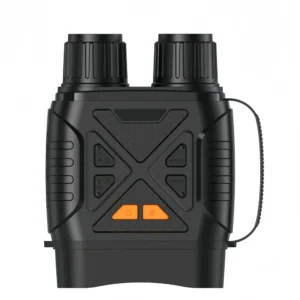
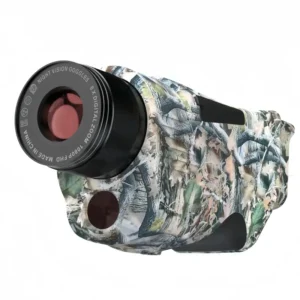
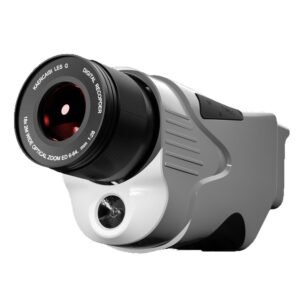
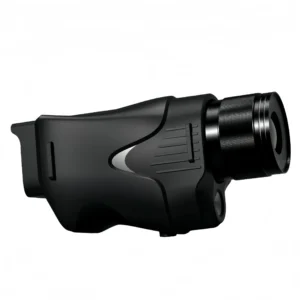
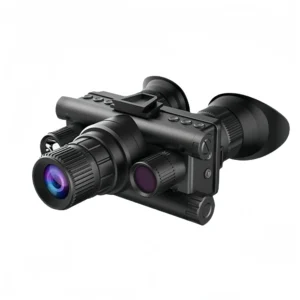
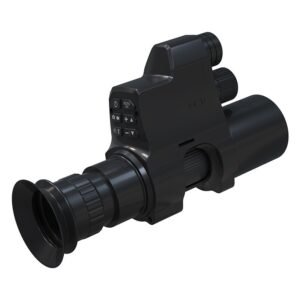
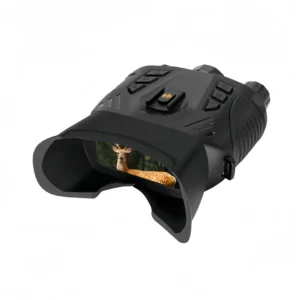
Key Features of Night Vision Goggles
Engineered for demanding environments, our night vision goggles offer wide fields of view, integrated or attachable IR illuminators for moonless nights, multiple gain/brightness levels to balance contrast, and long-lasting batteries. Rugged, water-resistant construction protects optics and electronics, while adjustable straps and lightweight designs keep the unit stable and comfortable during extended use.
How to Choose Night Vision Goggles
When selecting night vision goggles, consider use case (wildlife viewing, property security, navigation), sensor type (image intensifier vs. digital), resolution and refresh rate for clarity, objective lens size for light capture, and power options for runtime. Also review mounting style (head/helmet vs. handheld), control layout you can operate with gloves, and accessory compatibility such as IR illuminators or recording modules.
Typical Applications for Night Vision Goggles
Night vision goggles excel in low-light navigation on trails, scanning perimeters on rural properties, locating landmarks during camping, reading maps and instruments without white light, and quietly observing nocturnal wildlife. They’re equally useful for security rounds, farm and ranch checks, and emergency response where hands-free visibility matters.
Image-Intensified vs. Digital Night Vision Goggles
Image-intensified night vision goggles amplify ambient light for natural-looking scenes with minimal lag, while digital night vision goggles use sensors and onboard processing to provide adjustable brightness, on-screen menus, and the option to capture photo/video. Digital units pair well with powerful IR; intensifier units shine where ambient starlight or urban glow is available.
Generations & Performance Considerations
With night vision goggles, Gen-1/Gen-2 style systems offer accessible pricing and solid performance for casual use; advanced tubes and premium optics improve clarity, edge sharpness, and halo control. For digital night vision goggles, prioritize sensor resolution, low-lux sensitivity, and refresh rate to reduce motion blur and eye fatigue during longer sessions.
Care, Safety & Best Practices
Protect night vision goggles by storing them in a padded, dry case, cleaning lenses with proper microfiber tools, and avoiding direct exposure to bright light sources. Keep spare batteries or a power bank ready, disable IR when not required to preserve runtime, and practice nighttime situational awareness—scan slowly, use a steady gait, and let your eyes adapt for maximum detail.